
India’s GCC Boom:
The Biggest Career Opportunity Indian Graduates Cannot Ignore
India is no longer just the world’s outsourcing destination. It is rapidly becoming the global innovation and capability hub for multinational corporations. What were once called “back-office centers” have evolved into highly strategic Global Capability Centers (GCCs) that now handle product engineering, AI research, cybersecurity, analytics, cloud operations, finance transformation, and even global leadership functions.
For Indian graduates, this shift could become one of the largest white-collar employment opportunities of the next decade.
What Exactly is a GCC?
A Global Capability Center (GCC) is an offshore center established by a multinational company to manage critical business functions. Earlier, GCCs mainly handled support work such as customer service and IT maintenance.
Today, GCCs in India are responsible for:
- AI and machine learning development
- Cloud infrastructure operations
- Cybersecurity management
- Data engineering and analytics
- Product development
- Financial risk management
- Enterprise platforms
- Automation and DevOps
- Global business operations
- Research & innovation
Companies are no longer treating India as a low-cost workforce destination. They are treating India as a strategic talent hub.

India Has Become the GCC Capital of the World
India now hosts more than half of the world’s GCCs.
According to recent industry reports:
- India has crossed 2,100 GCCs
- GCC revenues are nearing $100 billion
- More than 2.3 million professionals are already employed in this ecosystem
Research firms estimate the India GCC market could reach:
- $130 billion by 2033
- Over 2,500 GCCs by 2030
- More than 3 million employees in the sector
This is not incremental growth. It is a structural shift in how global companies operate.
Why Global Companies Are Expanding Aggressively in India
Several factors are driving this explosion:
1. India Has Deep Tech Talent
India produces one of the largest STEM graduate populations globally. GCCs now prefer India because they can build large-scale engineering, AI, cloud, and cybersecurity teams quickly.
2. AI Transformation Requires Massive Talent Pools
Global enterprises are racing to adopt AI, automation, cloud modernization, and data platforms. India offers scalable talent at a pace many Western countries cannot match.
3. Cost Advantage + Capability Advantage
Earlier, companies came for lower costs.
Now they stay because India offers:
- Skilled engineers
- Product ownership
- Innovation capability
- 24/7 operational scalability
- Mature IT ecosystems
4. GCCs Are Moving Beyond Support Functions
Modern GCCs are now leading:
- Product strategy
- Enterprise AI
- Cybersecurity operations
- Financial analytics
- Cloud-native engineering
- Platform architecture
This is why hiring is shifting from generic IT roles to specialized high-value positions.
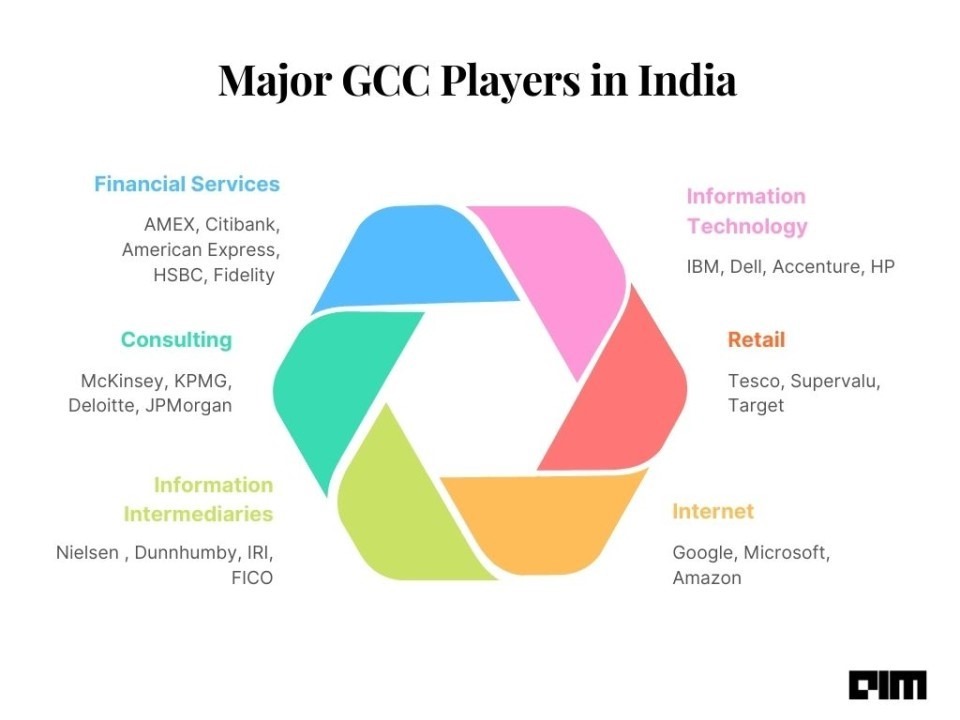
Massive Investments Are Already Happening
The GCC boom is not theoretical. Companies are investing billions into India.
Some recent examples:
- Sanofi announced expansion of its India GCC with plans to increase workforce to over 4,500 employees, focusing on AI, analytics, R&D, and innovation roles.
- LPL Financial launched its first GCC outside the United States in Hyderabad and plans to hire over 1,500 tech professionals.
- Cargill announced plans to add 500 jobs in India focused on data engineering, AI, and analytics.
- Reports also indicate India’s GCC sector may attract another $45 billion in investments between 2025 and 2027, largely driven by AI and cloud expansion.
The Big Reality: There is a Massive Skill Gap
Here is the paradox:
India has millions of graduates.
But GCCs are struggling to find industry-ready talent.
Recent reports show:
- India’s GCC ecosystem may hire over 425,000 professionals in 2026
- Yet the market faces a 53% AI skills deficit
Another report highlights:
- BFSI GCCs alone are facing a 42% shortage in AI and data skills
This means companies are competing aggressively for specialized talent.
And this is exactly where today’s graduates must pay attention.
The Most In-Demand GCC Job Roles
The future GCC workforce will not be dominated by traditional “support engineers.”
The high-demand roles now include:
AI & Data Roles
- AI Engineer
- Machine Learning Engineer
- Data Scientist
- Data Analyst
- Data Engineer
- Prompt Engineer
- AI Operations Specialist
Cloud & Infrastructure Roles
- Cloud Engineer
- AWS Solutions Architect
- Azure Engineer
- DevOps Engineer
- Site Reliability Engineer (SRE)
- Kubernetes Administrator
Cybersecurity Roles
- SOC Analyst
- Cybersecurity Engineer
- Cloud Security Specialist
- IAM Engineer
- Threat Intelligence Analyst
Software & Product Roles
- Full Stack Developer
- Backend Engineer
- Platform Engineer
- Product Engineer
- API Developer
- QA Automation Engineer
Business & Enterprise Roles
- Business Analyst
- ERP Consultant
- Financial Risk Analyst
- Compliance Specialist
- ESG Analyst
- Digital Transformation Consultant
Emerging Roles
- AI Governance Specialist
- Agentic AI Workflow Designer
- Automation Architect
- Low-Code/No-Code Developer
- Digital Twin Engineer
Reports increasingly show GCCs hiring for leadership, ownership, and innovation-oriented roles instead of transactional support work.
The Skills Graduates Must Learn Immediately
The biggest mistake graduates make today is believing a college degree alone is enough.
The GCC market rewards skills, not just qualifications.
Here are the most valuable skills students should start learning immediately.
1. Cloud Computing
Cloud is foundational for almost every GCC.
Students should learn:
- AWS
- Microsoft Azure
- Google Cloud
- Linux administration
- Networking basics
- Cloud security
Certifications matter significantly here.
Recommended starting certifications:
- AWS Cloud Practitioner
- AWS Solutions Architect Associate
- Microsoft Azure Fundamentals
2. AI & Data Skills
AI is becoming central to GCC hiring.
Students should learn:
- Python
- Machine Learning basics
- Data Analytics
- SQL
- Prompt Engineering
- Generative AI tools
- AI workflows and automation
Even non-programming students should understand AI-assisted productivity.
3. DevOps & Automation
Modern GCCs run on automation.
Critical skills:
- Git & GitHub
- CI/CD pipelines
- Docker
- Kubernetes
- Terraform
- Jenkins
- Infrastructure as Code (IaC)
4. Cybersecurity
Cybersecurity demand is exploding globally.
Students should learn:
- Security fundamentals
- SIEM tools
- Network security
- Cloud security
- Ethical hacking basics
- Identity & Access Management (IAM)

5. Communication & Business Understanding
One major difference between old outsourcing and modern GCCs is ownership.
Graduates now need:
- Presentation skills
- Business communication
- Problem-solving ability
- Product thinking
- Team collaboration
- Documentation skills
Technical knowledge alone is not enough.
The Harsh Truth About Employability
India’s graduate employability is improving, but still uneven.
The India Skills Report estimates around 55% of Indian graduates may be globally employable in 2025.
That also means nearly half the workforce still lacks industry readiness.
This is why companies increasingly prefer:
- skilled graduates,
- certified candidates,
- project-based learners,
- and industry-trained professionals.
GCCs Are Expanding Beyond Metro Cities
An important trend is the rise of Tier-2 cities.
GCCs are increasingly exploring:
- Coimbatore
- Ahmedabad
- Bhubaneswar
- Kochi
- Indore
- Jaipur
This opens opportunities for students outside traditional metro ecosystems as well.
The Future Belongs to Skill-Based Careers
The GCC boom represents a once-in-a-generation opportunity for Indian graduates.
But the market is changing rapidly.
Traditional degree-based hiring is slowly being replaced by:
- skills,
- certifications,
- portfolios,
- practical projects,
- and problem-solving capability.
The students who adapt early to:
- AI,
- cloud,
- cybersecurity,
- data engineering,
- DevOps,
- and enterprise technology
will become the most employable professionals of the next decade.
The others may struggle in an increasingly AI-driven economy.
India’s GCC revolution is already underway.
The question is no longer whether opportunities will exist.
The real question is:
Will today’s graduates be ready for them?